
Competitive Walking
Explore the fascinating world of historical pedestrianism and competitive walking, where endurance and determination defined an era of athletic excellence.

Golden Age of Pedestrianism: The Rise and Evolution of Foot Racing
The Golden Age of Pedestrianism in the 19th century featured competitive walking events, notable figures like Edward Payson Weston, and a subsequent decline due to cycling’s rise.
Original Pedestrian Race Formats: Exploring Historical Competitions
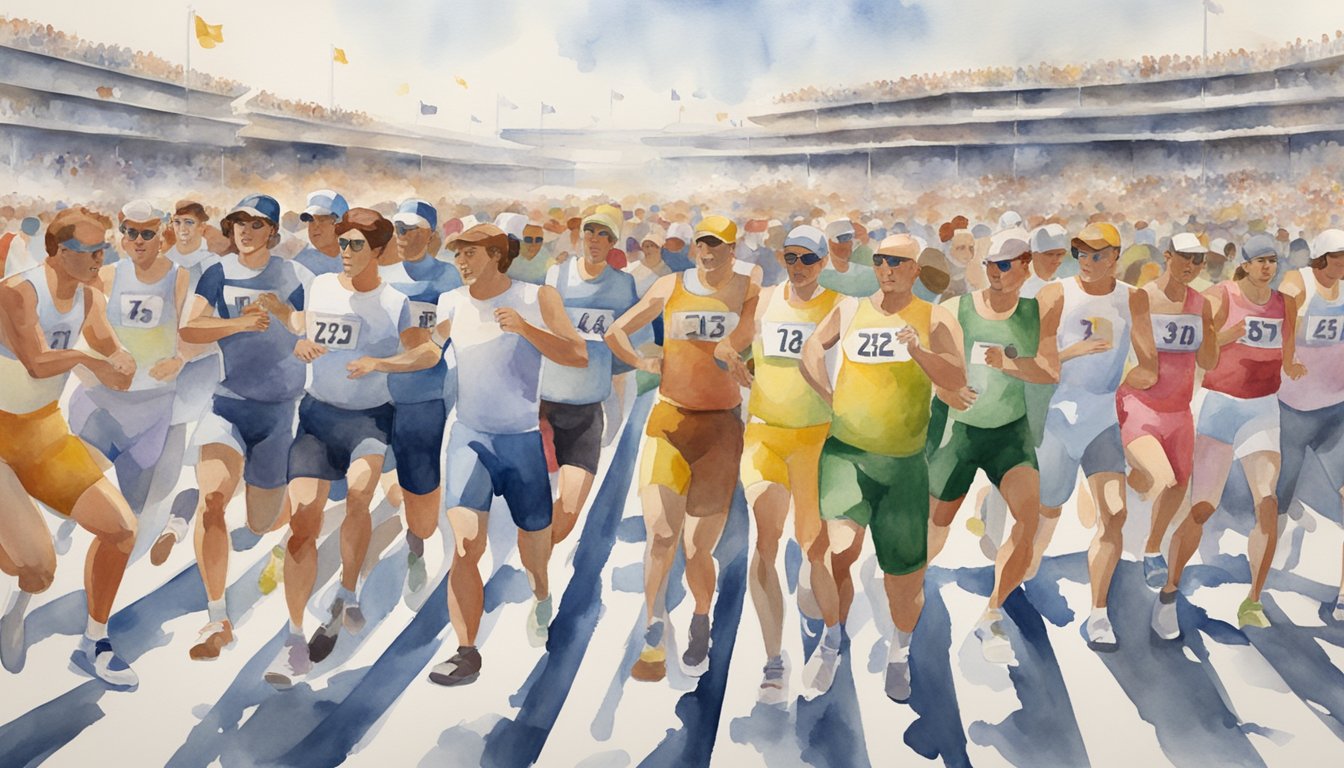
Pedestrianism, a popular 18th and 19th-century sport in Britain and the U.S., featured endurance walking races that captivated large audiences and involved significant wagering.
Governing Bodies in Pedestrianism: A Comprehensive Overview
Pedestrianism, once a popular sport in 19th-century Britain, evolved into modern racewalking, governed by bodies like the IAAF and USA Track & Field.

Ada Anderson: Pioneering Pedestrianism Champion
Ada Anderson was a pioneering civil rights activist and philanthropist from Texas, known for her advocacy in education, housing, and racial and gender equality.
Breathing Techniques for Pedestrianism: Enhance Your Walking Endurance and Efficiency
Breathing techniques, such as diaphragmatic and rhythmic breathing, enhance walking endurance, improve oxygen intake, and promote overall well-being for pedestrian athletes and casual walkers alike.
Prominent 18th and 19th-Century Pedestrians: Masters of Early Sport Pedestrianism
Pedestrianism, featuring figures like Captain Robert Barclay Allardice and Edward Payson Weston, evolved in the 18th and 19th centuries, influencing modern racewalking and endurance sports.

Decline of Pedestrianism: The Fall of Competitive Walking
Pedestrianism was a popular 19th-century sport that declined due to the rise of bicycles and changing public interests, yet its legacy influences modern racewalking and urban planning.