
Competitive Walking
Explore the fascinating world of historical pedestrianism and competitive walking, where endurance and determination defined an era of athletic excellence.
Decline of Pedestrianism: The Fall of Competitive Walking
Pedestrianism was a popular 19th-century sport that declined due to the rise of bicycles and changing public interests, yet its legacy influences modern racewalking and urban planning.
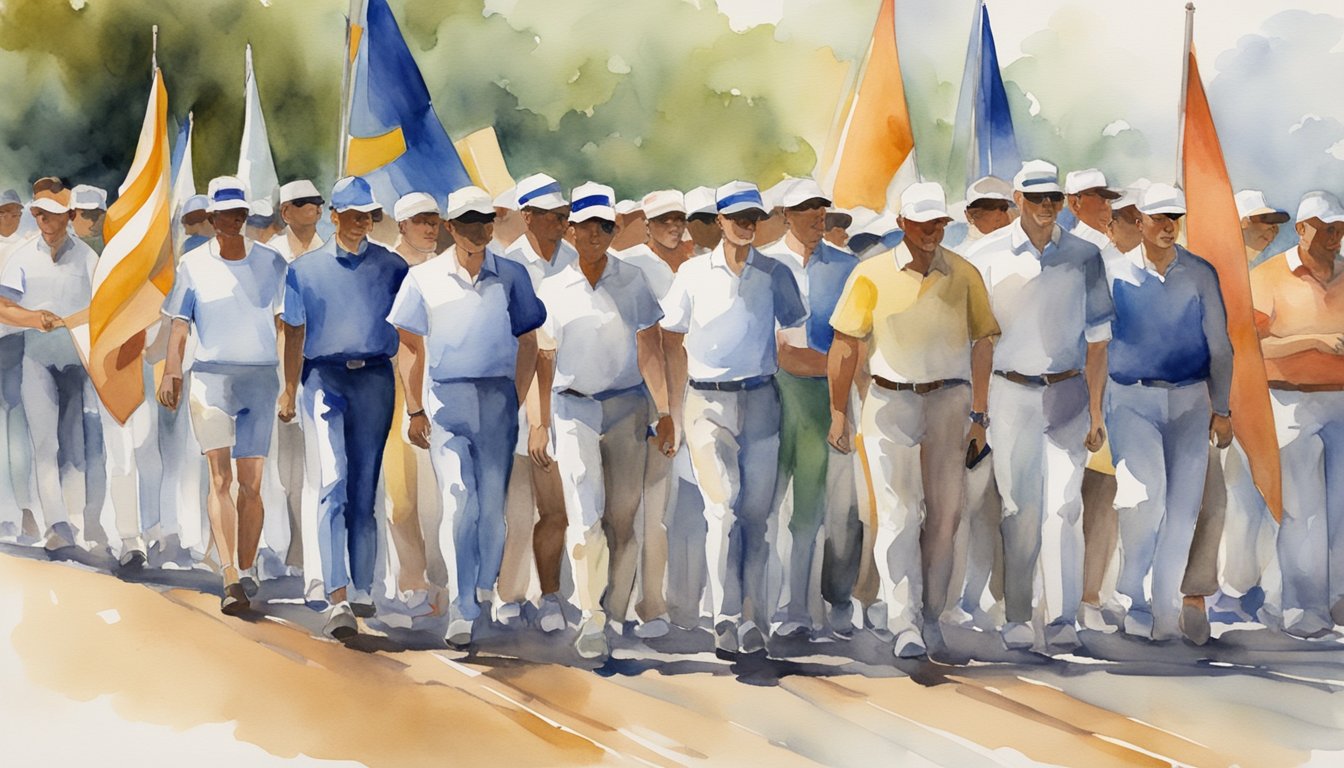
Methods of Officiating Pedestrian Races: Rules and Best Practices
Pedestrianism, originating in the 19th century, involves modern race walking, governed by specialized officials ensuring fairness and safety in competitions ranging from local to international events.
Recovery Practices for Pedestrianism: Essential Techniques for Optimal Performance
Recovery practices for pedestrianism enhance urban walkability, promote public health, and foster social interactions through pedestrian-oriented design, active mobility, and community engagement.
Origins of Pedestrianism: Exploring the Birth of Competitive Walking
Pedestrianism, a competitive walking sport popular in the 19th century, significantly influenced modern racewalking and showcased the cultural and economic impacts of sports.
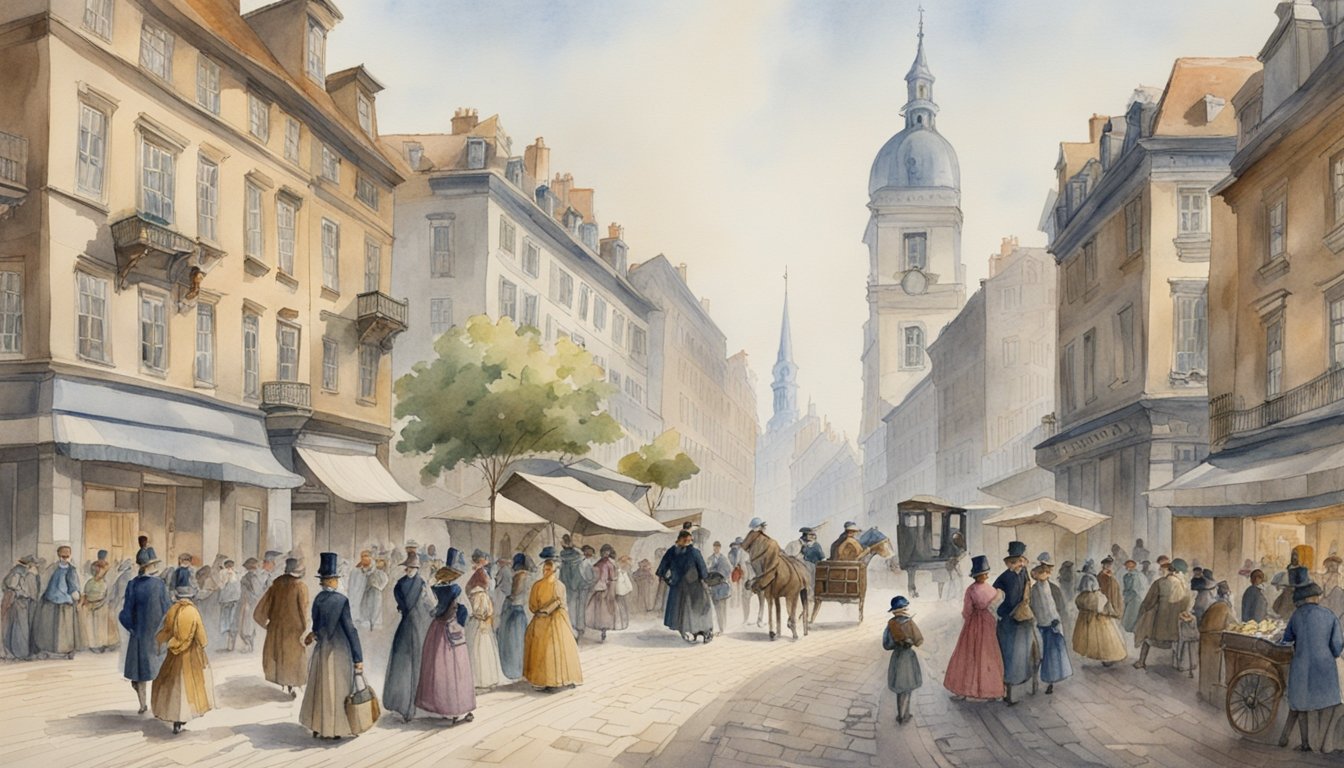
Prominent 18th and 19th-Century Pedestrians: Masters of Early Sport Pedestrianism
Pedestrianism, featuring figures like Captain Robert Barclay Allardice and Edward Payson Weston, evolved in the 18th and 19th centuries, influencing modern racewalking and endurance sports.
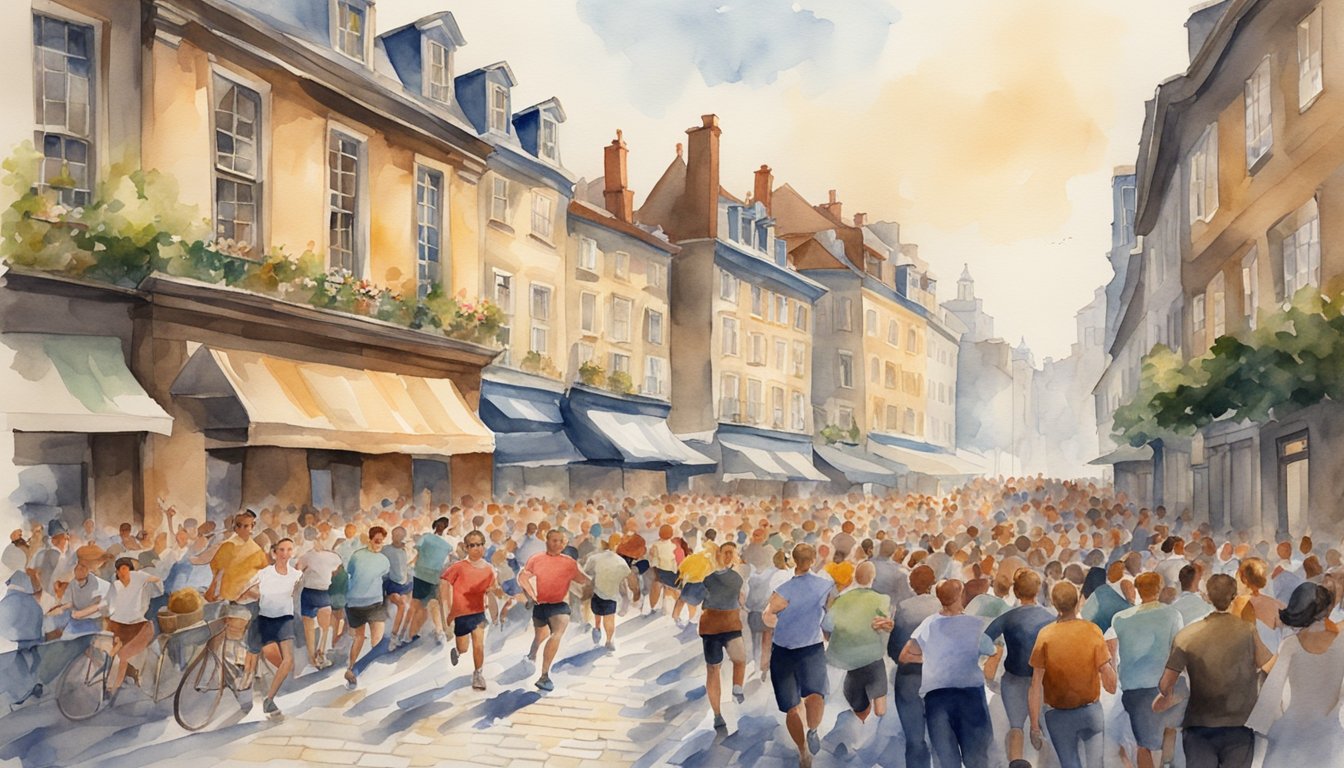
Historic Pedestrian Races: The Pioneers of Competitive Walking
Historic pedestrian races, prominent in the 18th and 19th centuries, showcased endurance walking, with notable figures like Edward Payson Weston and Captain Barclay captivating audiences.

Revival of Pedestrianism: The Resurgence of Competitive Walking in Modern Sports
Pedestrianism, once a popular 19th-century sport, is reviving in modern urban planning, promoting walkable spaces, community health, and sustainable living practices.