
Competitive Walking
Explore the fascinating world of historical pedestrianism and competitive walking, where endurance and determination defined an era of athletic excellence.
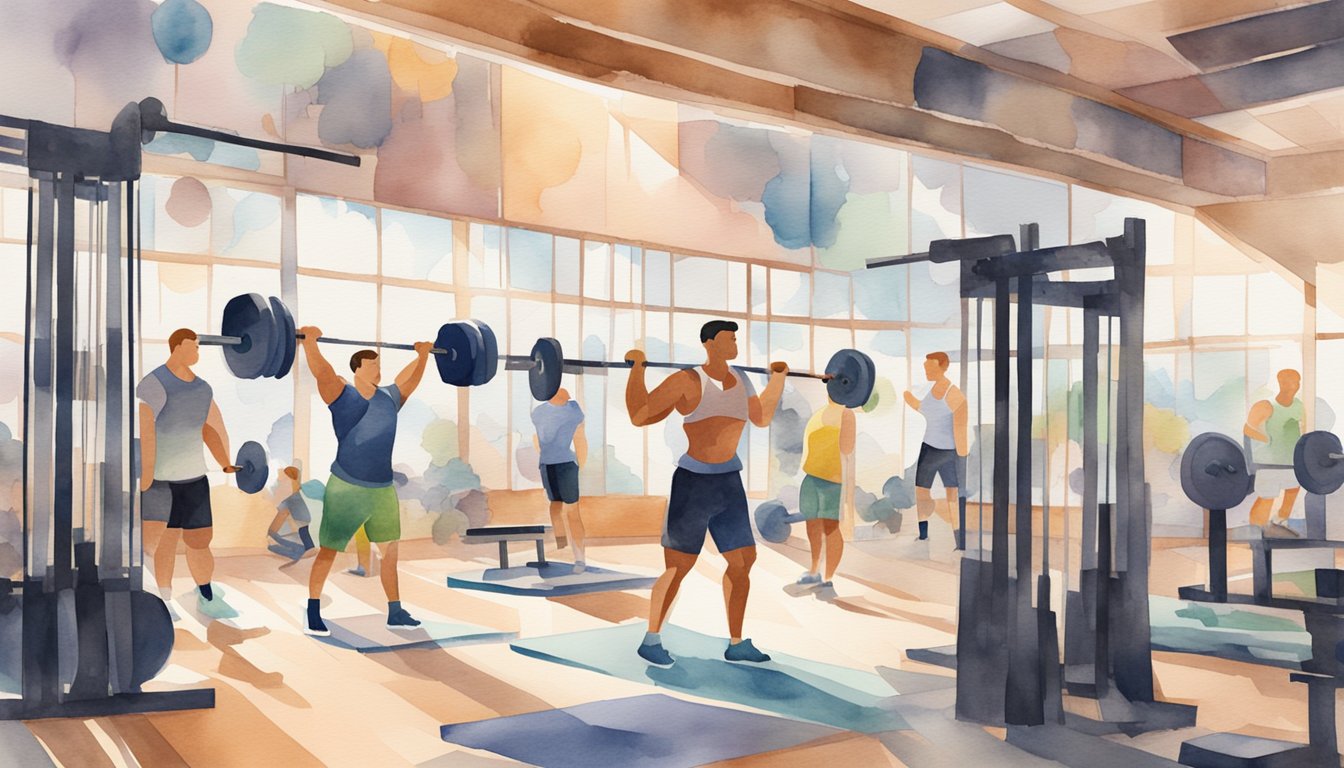
Strength Training for Pedestrian Athletes: Enhancing Endurance and Performance
Pedestrian athletes improve endurance and performance through strength training, focusing on lower body and core exercises, proper biomechanics, and structured periodization in their training programs.
Modern Pedestrian Competitions: Reviving the Art of Racewalking
Modern pedestrian competitions, including racewalking, evolved from 19th-century pedestrianism, now influenced by technology and social changes, attracting athletes and spectators worldwide.

Overcoming Adversity in Pedestrianism: Strategies for Success
Overcoming adversity in pedestrianism requires mental strength, resilience, and support networks, with strategies like mindfulness, positive self-talk, and goal setting to enhance endurance and emotional stability.
Breathing Techniques for Pedestrianism: Enhance Your Walking Endurance and Efficiency
Breathing techniques, such as diaphragmatic and rhythmic breathing, enhance walking endurance, improve oxygen intake, and promote overall well-being for pedestrian athletes and casual walkers alike.
Six-Day Pedestrian Races: A Historical Sport of Endurance and Stamina
Six-day pedestrian races, popular in the 19th century, showcased endurance and influenced modern ultrarunning and racewalking, with key figures like Foster Powell and Edward Payson Weston.
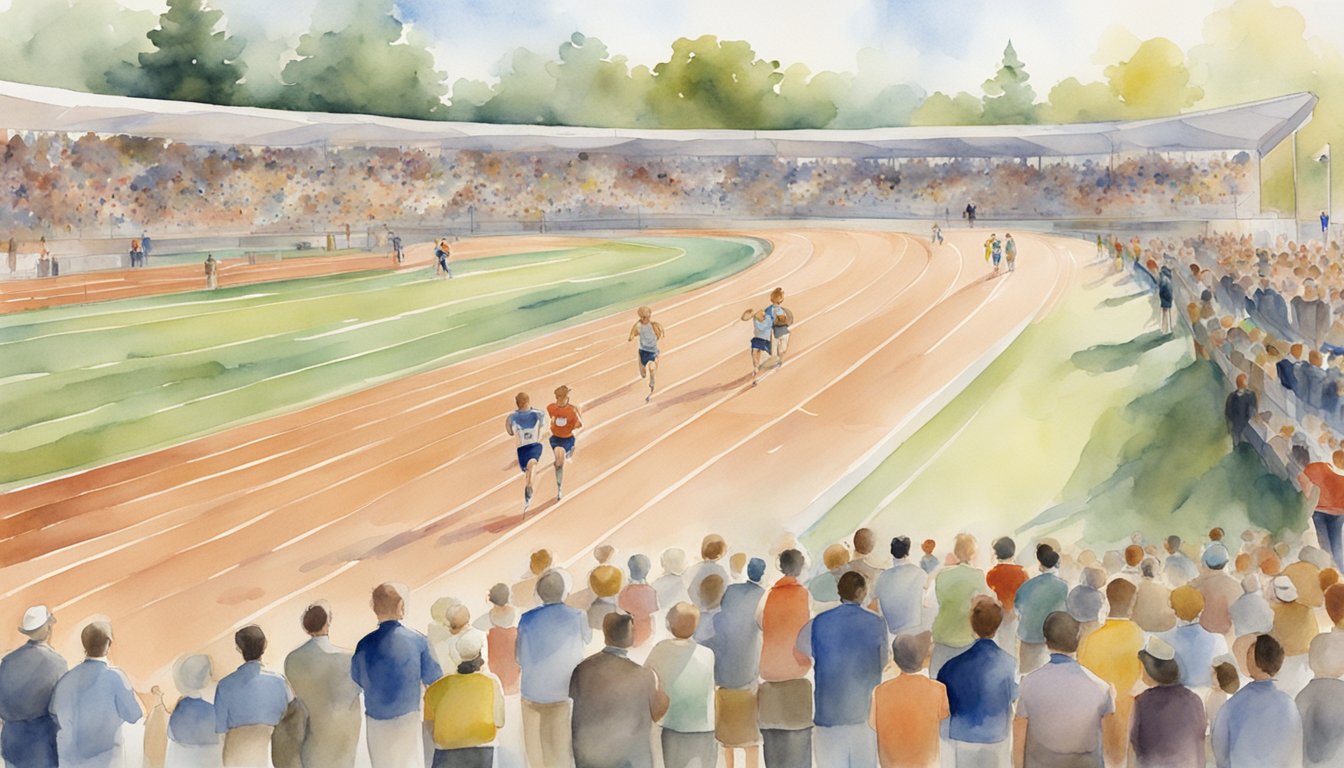
Governing Bodies in Pedestrianism: A Comprehensive Overview
Pedestrianism, once a popular sport in 19th-century Britain, evolved into modern racewalking, governed by bodies like the IAAF and USA Track & Field.
Notable Long-Distance Walkers: Legends of Pedestrianism
Emma “Grandma” Gatewood and Nimblewill Nomad are notable long-distance walkers, inspiring others with their achievements on the Appalachian Trail and showcasing the joy of pedestrianism.