
Competitive Walking
Explore the fascinating world of historical pedestrianism and competitive walking, where endurance and determination defined an era of athletic excellence.
Notable Long-Distance Walkers: Legends of Pedestrianism
Emma “Grandma” Gatewood and Nimblewill Nomad are notable long-distance walkers, inspiring others with their achievements on the Appalachian Trail and showcasing the joy of pedestrianism.
Strength Training for Pedestrian Athletes: Enhancing Endurance and Performance
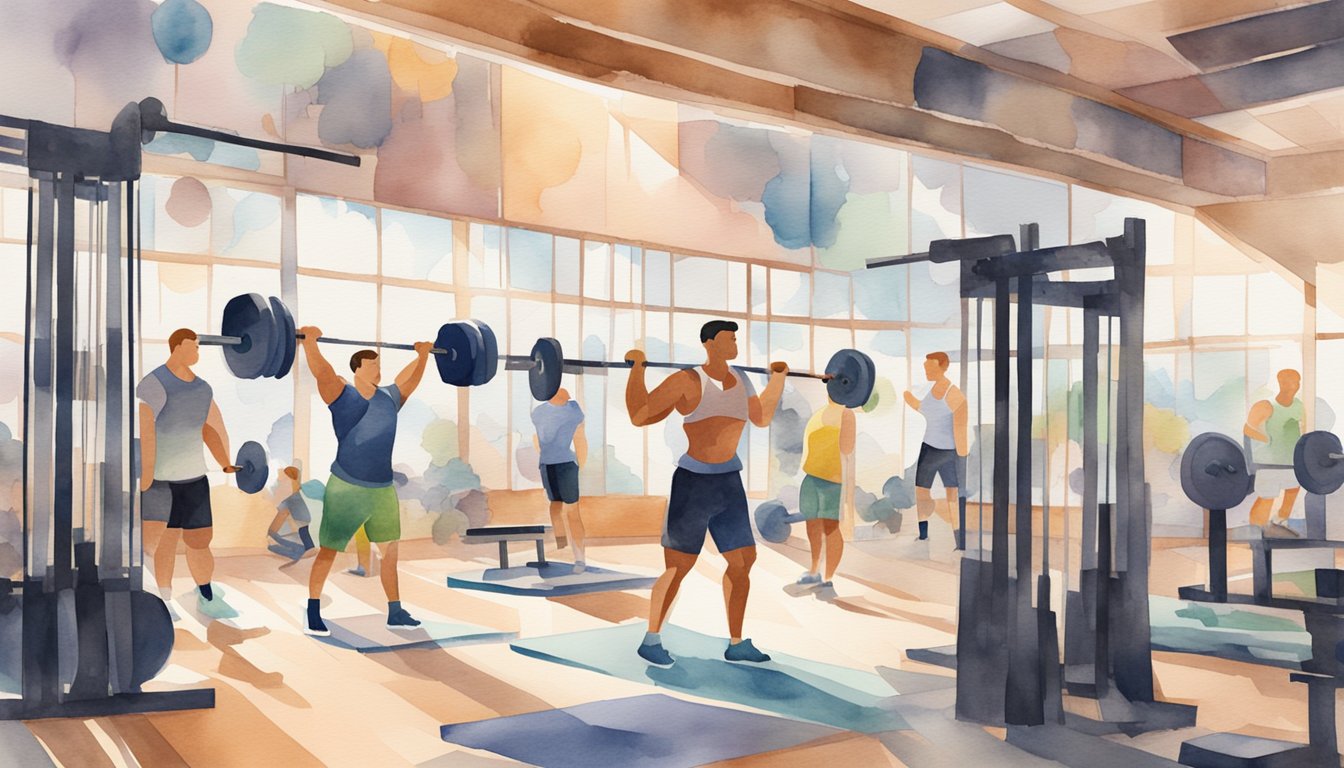
Pedestrian athletes improve endurance and performance through strength training, focusing on lower body and core exercises, proper biomechanics, and structured periodization in their training programs.
Original Pedestrian Race Formats: Exploring Historical Competitions
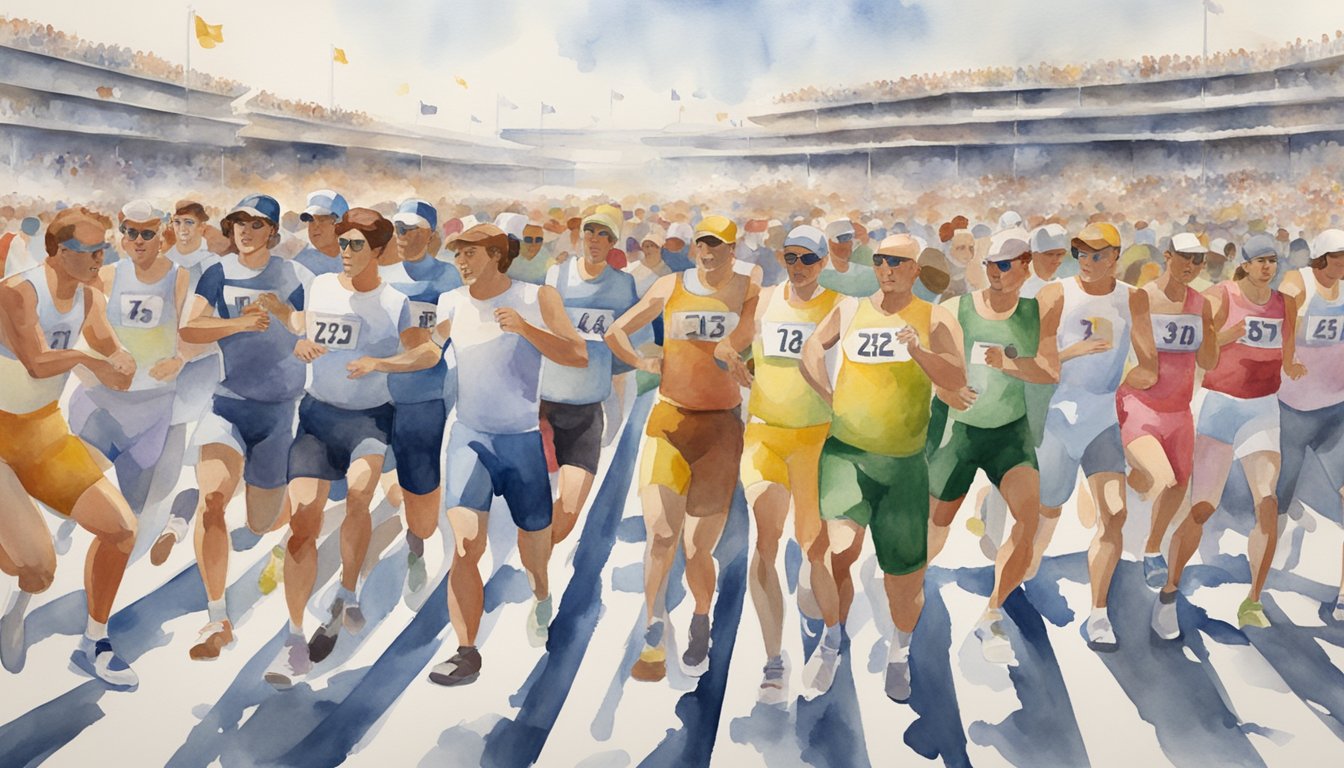
Pedestrianism, a popular 18th and 19th-century sport in Britain and the U.S., featured endurance walking races that captivated large audiences and involved significant wagering.
Nutrition for Pedestrian Athletes: Essential Tips for Endurance and Stamina
Proper nutrition for pedestrian athletes includes a balanced diet of carbs, proteins, and fats, with emphasis on hydration and meal timing for optimal performance and recovery.
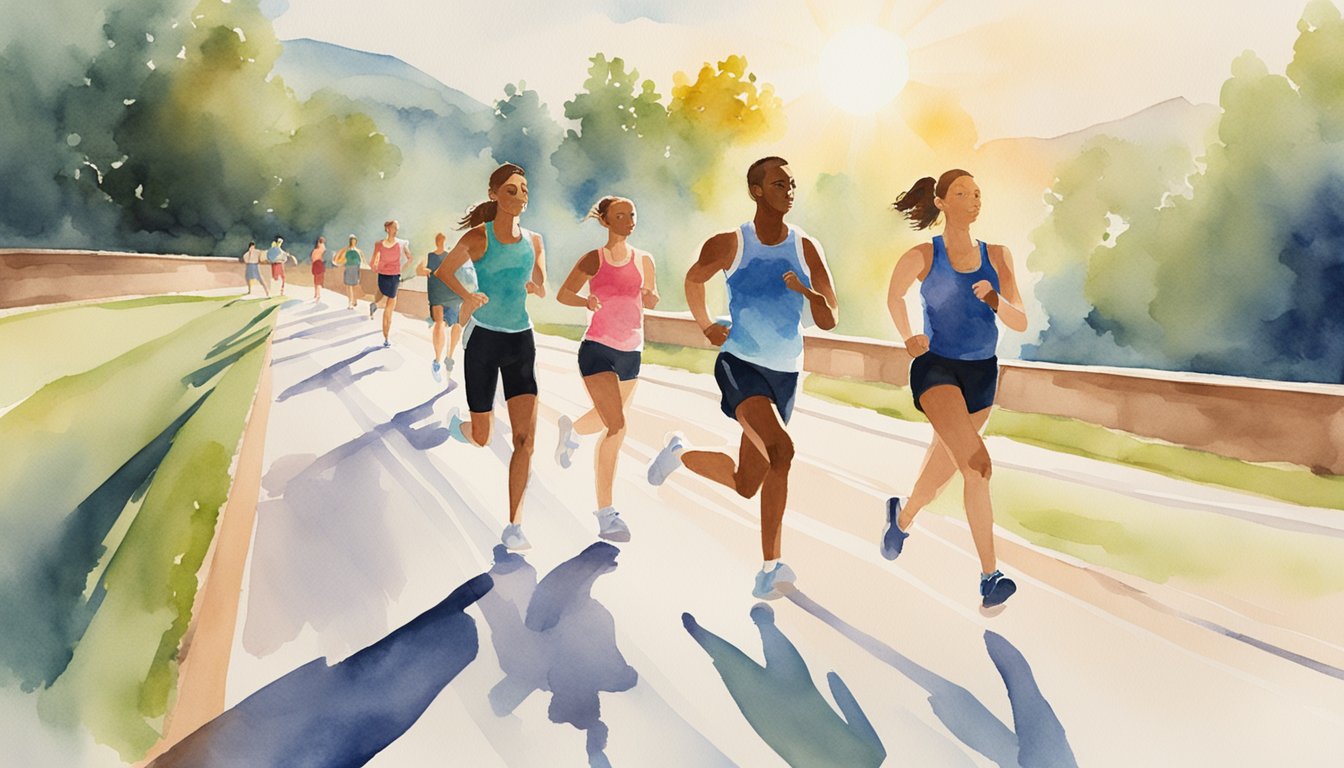
Physical Training for Pedestrianism: Optimizing Endurance and Technique
Pedestrianism, a 19th-century endurance walking sport, emphasized physical training, technique, and public spectacle, influencing modern racewalking and American sports culture significantly.

Recovery Practices for Pedestrianism: Essential Techniques for Optimal Performance
Recovery practices for pedestrianism enhance urban walkability, promote public health, and foster social interactions through pedestrian-oriented design, active mobility, and community engagement.
Early Challenges to Pedestrianism: Overcoming Obstacles in Competitive Walking
Pedestrianism, a 19th-century sport, featured endurance challenges by figures like George Wilson and Captain Robert Barclay, shaping modern racewalking and influencing competitive sports.