
Competitive Walking
Explore the fascinating world of historical pedestrianism and competitive walking, where endurance and determination defined an era of athletic excellence.
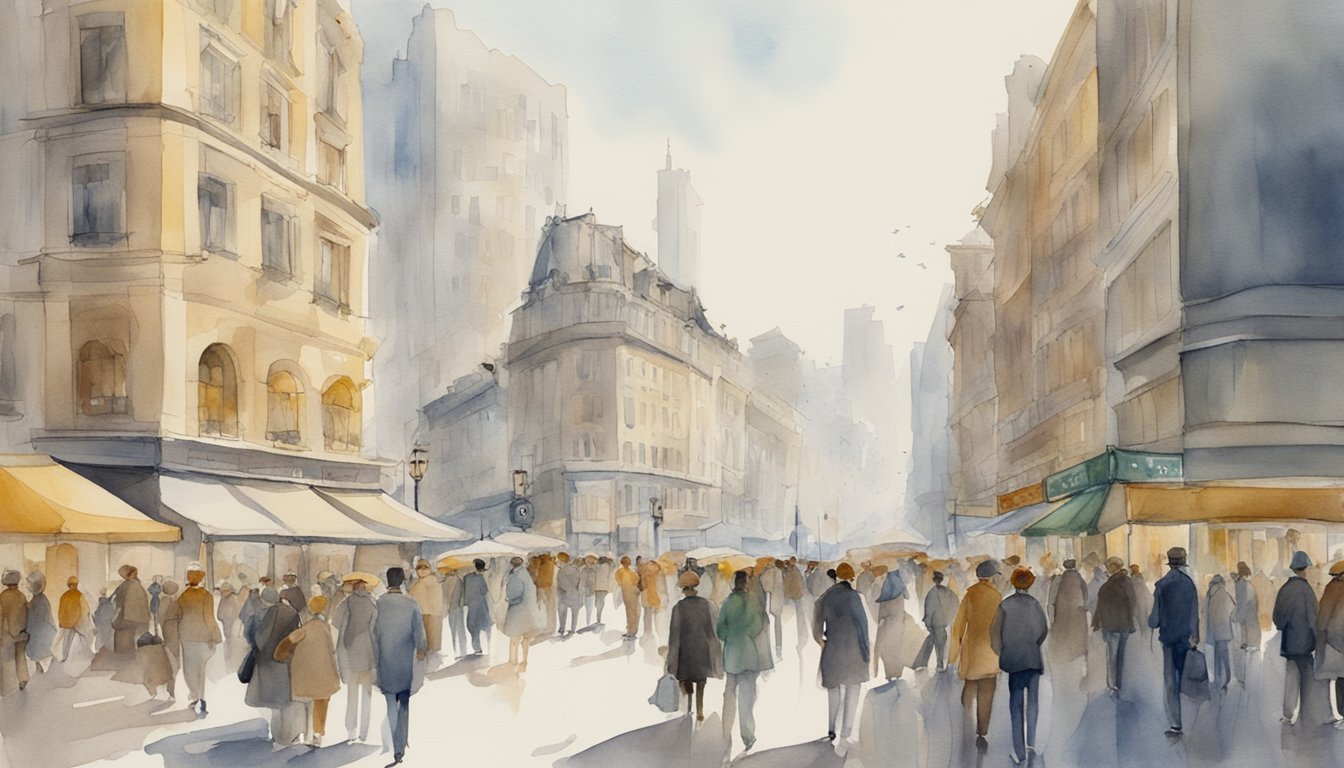
Origins of Pedestrianism: Exploring the Birth of Competitive Walking
Pedestrianism, a competitive walking sport popular in the 19th century, significantly influenced modern racewalking and showcased the cultural and economic impacts of sports.

Modern Pedestrian Athletes: Reviving the Sport of Pedestrianism
Modern pedestrian athletes revive 19th-century pedestrianism, competing in structured events like racewalking, influenced by historical figures and societal integration, while facing contemporary regulatory challenges.

Revival of Pedestrianism: The Resurgence of Competitive Walking in Modern Sports
Pedestrianism, once a popular 19th-century sport, is reviving in modern urban planning, promoting walkable spaces, community health, and sustainable living practices.
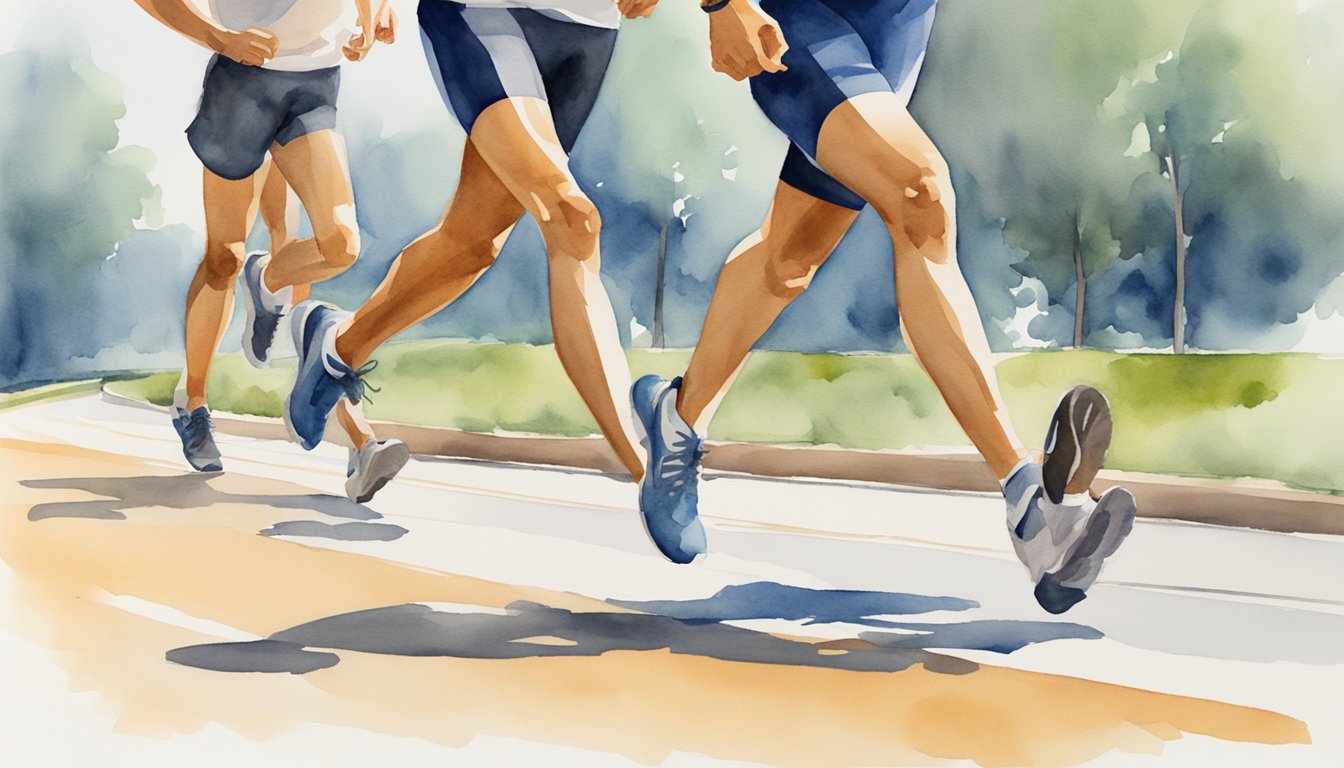
Specific Racewalking Rules: Essential Guidelines for Pedestrianism
Racewalking is a competitive sport governed by strict rules, including continuous ground contact and straight leg requirements, with notable events in the Olympics and World Championships.
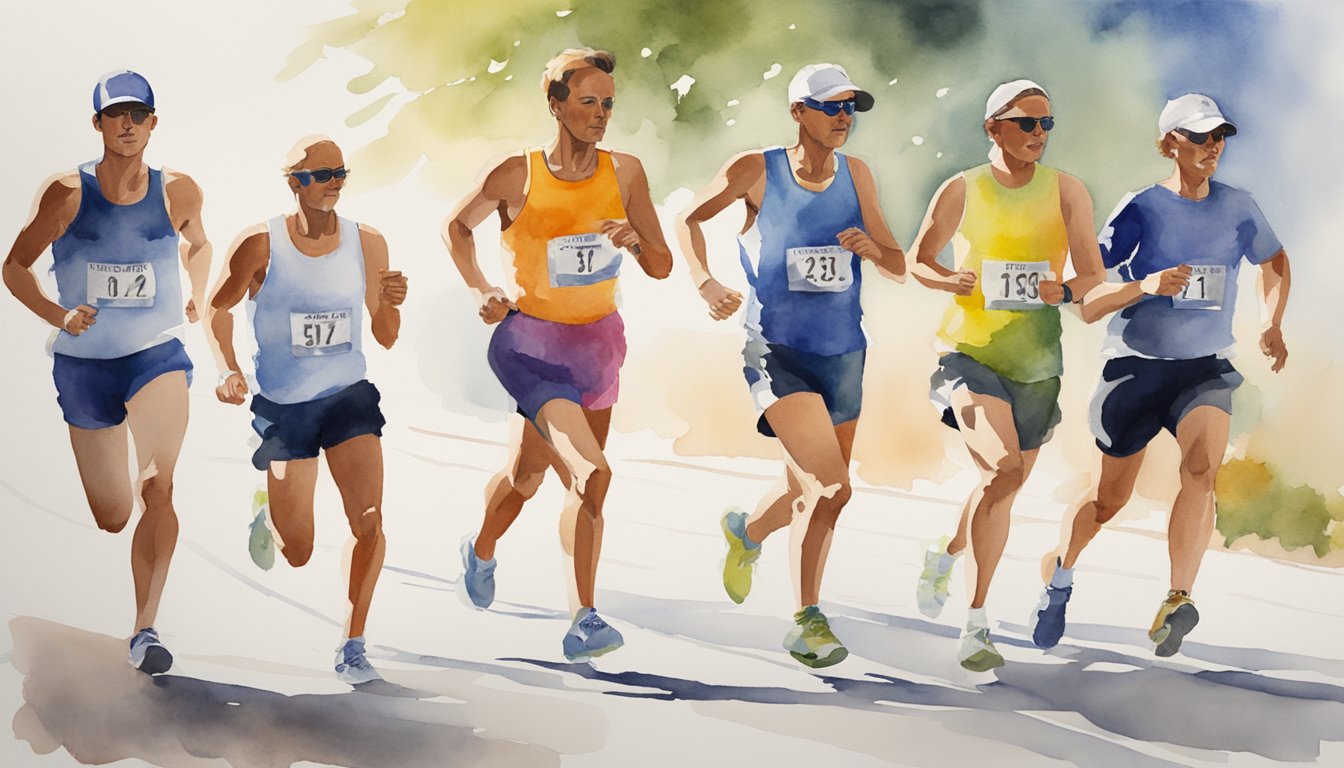
Modern Racewalking Regulations: Essential Guidelines for Competitors
Modern racewalking requires athletes to maintain ground contact, follow strict regulations, and compete in events governed by judges to ensure fair play and integrity.
Long-Distance Pedestrian Challenges: Mastering Endurance and Strategy
Long-distance pedestrianism combines historical competitive roots, modern technology, urban planning, and health benefits, significantly influencing public health, safety, and social dynamics.

Record-Breaking Pedestrian Feats: Unprecedented Achievements in Pedestrianism
Pedestrianism, a 19th-century sport, featured record-breaking athletes like Ada Anderson and Frank Hart, highlighting endurance and cultural significance in historical sporting events.