
Competitive Walking
Explore the fascinating world of historical pedestrianism and competitive walking, where endurance and determination defined an era of athletic excellence.

Overcoming Adversity in Pedestrianism: Strategies for Success
Overcoming adversity in pedestrianism requires mental strength, resilience, and support networks, with strategies like mindfulness, positive self-talk, and goal setting to enhance endurance and emotional stability.
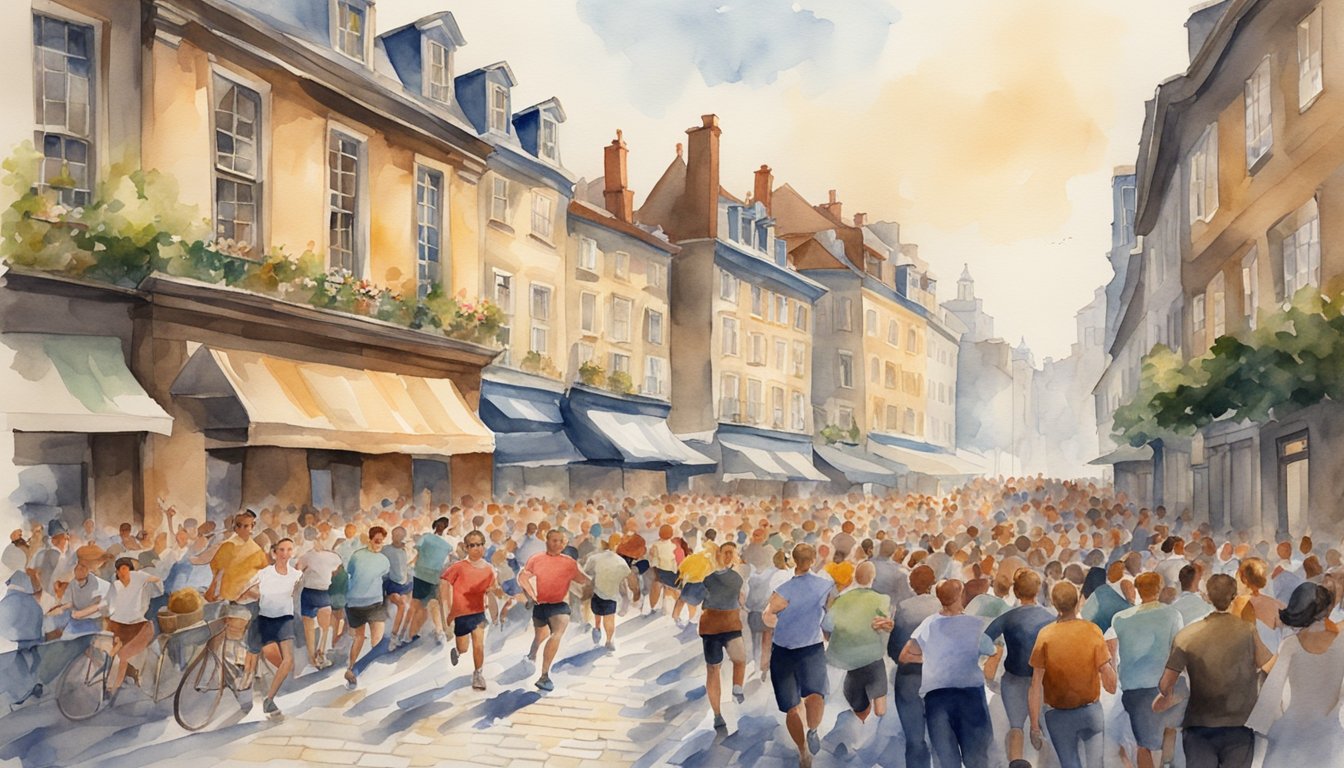
Historic Pedestrian Races: The Pioneers of Competitive Walking
Historic pedestrian races, prominent in the 18th and 19th centuries, showcased endurance walking, with notable figures like Edward Payson Weston and Captain Barclay captivating audiences.
Modern Pedestrian Competitions: Reviving the Art of Racewalking
Modern pedestrian competitions, including racewalking, evolved from 19th-century pedestrianism, now influenced by technology and social changes, attracting athletes and spectators worldwide.

Golden Age of Pedestrianism: The Rise and Evolution of Foot Racing
The Golden Age of Pedestrianism in the 19th century featured competitive walking events, notable figures like Edward Payson Weston, and a subsequent decline due to cycling’s rise.
Recovery Practices for Pedestrianism: Essential Techniques for Optimal Performance
Recovery practices for pedestrianism enhance urban walkability, promote public health, and foster social interactions through pedestrian-oriented design, active mobility, and community engagement.
Notable Long-Distance Walkers: Legends of Pedestrianism
Emma “Grandma” Gatewood and Nimblewill Nomad are notable long-distance walkers, inspiring others with their achievements on the Appalachian Trail and showcasing the joy of pedestrianism.

Endurance Building for Pedestrians: Techniques for Competitive Walking
Endurance training for pedestrians involves structured exercises, nutrition, hydration, goal setting, and recovery strategies to enhance physical and mental stamina for long-distance walking.